
How Long Can You Wait Before Arranging a Funeral?
How long can you wait before arranging a funeral?
Facing the question of timing after a death is both practical and deeply personal. There is no single correct answer. Several factors can shape how quickly a funeral or memorial takes place, and families often balance urgency with the need for time, travel, paperwork, and cultural or religious practices. This guide offers clear, compassionate information to help you make choices that feel right, and practical steps you can take while you arrange services.
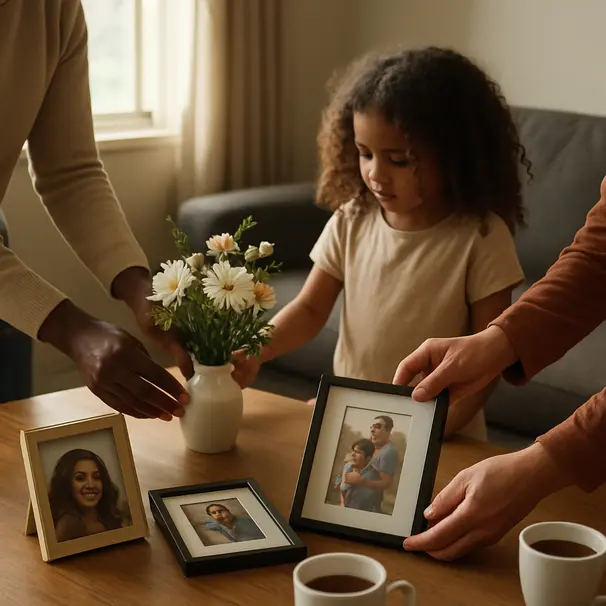
Family arranging photographs and flowers quietly at home.
What affects the timing of a funeral
- Legal and administrative requirements. Death certificates, permits, and sometimes coroner or medical examiner reviews may affect when a funeral can proceed. These processes can take hours or several days depending on local systems and whether an investigation is needed.
- Medical or forensic examinations. If an autopsy, toxicology, or sudden-death investigation is required, the body may need to remain in official care until those procedures are complete. This can extend the timeline.
- Organ donation or medical donation. If donation is possible and chosen, coordination between hospitals, donation organizations, and the family can add time before arrangements.
- Travel and family availability. When loved ones must travel long distances, families often want time to gather, which can delay services by days or weeks.
- Cultural or religious practices. Some traditions encourage prompt burial, often within 24 to 72 hours, while others permit or expect longer waits to accommodate rituals and family gatherings.
- Seasonal and logistical limitations. Weather, public holidays, or limited availability at a preferred cemetery or venue may influence scheduling.
These factors mean that timing is rarely simple. A funeral director, hospital social worker, or clergy member can help you understand the local expectations and practical steps.
How quickly can funerals happen? Typical timelines
- Immediate or same-week services. Many ceremonies happen within three to seven days. This timeline is common when no special investigations are required and family can organize arrangements quickly.
- Short delay for travel or permits. When paperwork or travel is needed, two to ten days is typical. Funeral homes are experienced at coordinating permits and transport to make this possible.
- Longer delays of weeks. Delays of several weeks are common when multiple family members must travel internationally, when repatriation is needed, or when families are waiting for a preferred venue or burial plot.
- Months later. Some families choose to hold a private interment or direct disposition soon after death and plan a memorial service months later. This can be a thoughtful way to allow time for travel, fundraising, or emotional readiness.
If you need to wait, know that options exist to care for the body and hold a later gathering. Discuss preferences and practical steps with a funeral professional.
Caring for the body while you wait
Funeral homes, mortuaries, and hospitals can offer short-term care. Common options include refrigeration, embalming, or a combination depending on how long you expect to wait.
- Refrigeration. This is commonly used for short to moderate waits and can help preserve the body for several days to a few weeks, depending on conditions and local practices.
- Embalming. Embalming can slow natural changes and may be chosen if a viewing is planned or if a longer delay is expected. It may not be necessary for every situation and may be avoided for certain cultural or environmental reasons.
- Immediate disposition. Some families choose cremation or immediate burial soon after death, then hold a memorial later. This may simplify logistics if a lengthy waiting period is impractical.
Talk with the funeral provider about realistic expectations for preservation and about costs associated with different care choices. Consider whether a viewing, an open casket, or a private time with the person is important when deciding on embalming or refrigeration.

Funeral director discussing timing and care options.
Options if you need more time
- Hold a private or direct disposition quickly, and plan a larger memorial later. This separates the practical needs from the communal gathering.
- Use a simple graveside or chapel service now, and host a celebration of life later when more people can attend.
- Ask the funeral director about temporary care and storage. Many providers will keep a person in respectful care while paperwork and travel plans are arranged.
- Explore virtual options. If family cannot gather in person right away, a livestreamed service or recorded tribute can include distant loved ones sooner.
These choices can reduce pressure on a tight schedule and create space for a meaningful ceremony when more people can participate.
Paperwork, permits, and officials: what to expect
You may need a death certificate, a burial or cremation permit, and, in some cases, authorization from a coroner or medical examiner. Timeframes vary by jurisdiction.
- Death certificate. Issued by a medical professional and then processed by local authorities. Families often need certified copies for financial and legal matters.
- Burial or cremation permits. Many areas require permits before final disposition. Funeral homes usually manage this paperwork, but processing time can add days.
- Coroner investigation. If the death is unexpected, or involves an accident, investigation may be required and can delay release of the body.
Because rules differ widely, contact the funeral home or local authorities early. Funeral directors routinely guide families through these steps and can explain typical timelines in your area.
Practical checklist for the first 48 to 72 hours
- Notify immediate family and close friends, in the order you prefer.
- Contact the primary care physician, hospital staff, or coroner as appropriate.
- Choose a funeral professional, if you want assistance with transport and logistics.
- Ask about short-term care options for the body and estimated storage costs.
- Request initial certified copies of the death certificate, and ask how many you may need for banks, insurance, and government agencies.
- Consider whether organ donation, autopsy, or medical research is relevant and contact the appropriate organizations.
- Decide on a rough timeline for services, and let family know whether a short delay is needed.
These steps can feel like a lot when emotions are fresh. It is okay to pause, lean on others, and ask for help.
Cultural and religious considerations
Many faiths and cultures have particular preferences about timing. For example, some communities value prompt burial, while others place more emphasis on gathering or specific ceremonial preparations. Talk with a trusted religious or cultural leader if you want guidance tied to tradition.
At the same time, practical realities such as travel, permits, or medical procedures can require flexibility. Some families find creative ways to honor both tradition and necessity, such as holding smaller ritual observances early and a larger celebration later.
Costs and financial timing
Arranging a funeral quickly can sometimes limit options, while delaying might add storage costs. Funeral homes can explain fee structures for care, transport, embalming, and venue rental. If finances are a concern, ask about lower-cost alternatives like direct cremation or simple services, and about payment plans or community resources.
If the timing is being set to allow for fundraising, travel, or estate matters, communicate that to the funeral provider so they can help plan a timeline that fits your needs.

A quiet cemetery path at dawn, mist and soft light.
Repatriation and international considerations
If a loved one has died far from home, repatriation can add days or weeks to the timeline. Airlines, international regulations, and paperwork for transport must be coordinated. Funeral directors with experience in international transfer can handle many details, including embalming standards, transit permits, and working with consulates.
Plan for added time and costs, and ask for an estimated schedule early in the process.
Emotional timing: when you feel ready
There is no single right emotional timeline. Some people find comfort in acting quickly; others need time to gather strength and support before a public ceremony. Both responses are valid.
If you feel uncertain, consider a two-step approach: a practical, quiet disposition to meet immediate needs, combined with a planned memorial when people feel more ready. Friends, clergy, or grief counselors may help you gauge what you and your family need.
If anyone in your group is feeling overwhelmed, suggest small tasks they can handle later or assign someone trusted to coordinate logistics so others have space to grieve.
Questions to ask a funeral director
- What are my care options and the typical time limits for refrigeration or embalming?
- How long will paperwork or permits usually take in this area?
- Can you assist with transport, including international arrangements if needed?
- What are the cost differences for immediate disposition versus delayed services?
- Are there options to hold a private service now and a larger memorial later?
A respectful conversation with a funeral provider can clarify many uncertainties and reduce stress.
Final thoughts and gentle reminders
Decisions about timing are practical, emotional, and often influenced by culture or faith. You may feel pressured by family expectations, but you deserve time to make choices that feel right. Reach out for help with logistics and with emotional support. Consider talking with a funeral professional, a trusted community leader, or a counselor who can help you balance urgent needs with what will feel meaningful in the long run.
Remember, a memorial’s meaning is not defined by how soon it happens. Care, intention, and the stories you share will endure. If you need legal, medical, or financial guidance, consider consulting qualified professionals who can provide specifics for your situation.
If you want a simple checklist or sample wording for contacting relatives or coordinating a delayed memorial, a funeral professional or community support group can often provide templates and compassionate assistance. You do not have to do this alone.